

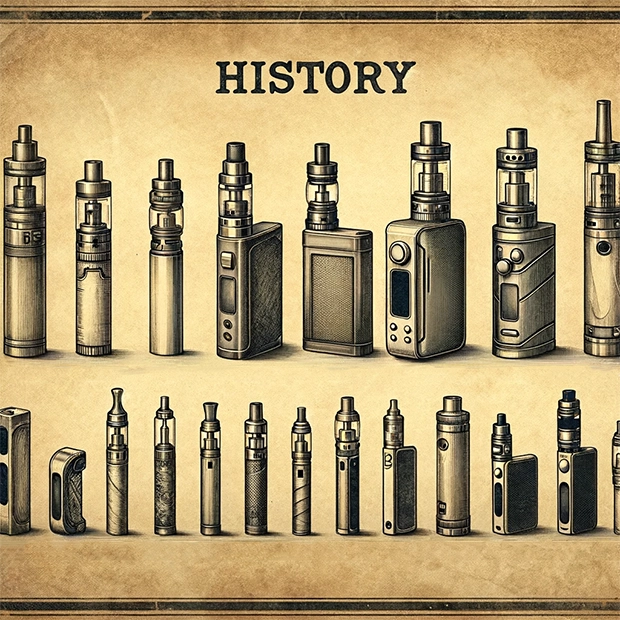
Vaping History Overview: Tracing the Origins of Vaping
Vaping started as a wild idea but has turned into a big part of how people live around the world today. This deep dive into vaping’s past takes you on an exciting trip back to where it all began, showing how it grew from a simple concept into a game-changer for those wanting a different choice from smoking. Exploring the key moments in vaping’s story reveals the clever minds and stubborn spirits who pushed it forward and shaped what vaping is now. If curious about how something so new made such a huge splash, this journey will open your eyes to a world of innovation and unexpected twists. Keep reading to discover why vaping caught fire and changed the smoking scene forever. Explore more on how to vape
Key point on Vaping History Overview
Key Takeaways
- Detailed exploration of vaping’s conceptual roots.
- The evolution of vaping from early patents to advanced technological innovations.
- In-depth focus on Hon Lik’s significant contributions and the impact of his invention on modern vaping.
The Inception and Evolution of Vaping
1927-1930: Planting the Seed – The Earliest Vaping Concepts
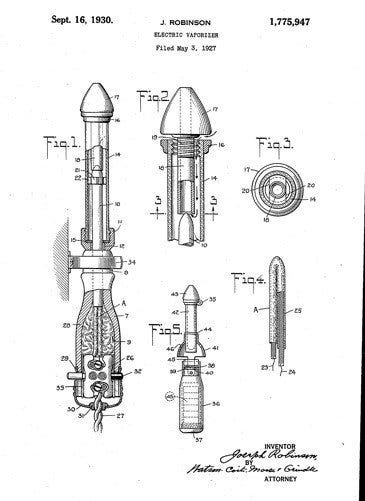
The concept of vaping can be traced back to the late 1920s. Joseph Robinson, a visionary in his own right, filed a patent in 1927 for a device that resembled the modern e-cigarette. Although his invention was granted a patent in 1930, it never saw commercial success. This early patent, however, was the first known attempt to create a smokeless, non-tobacco cigarette. It set the stage for future innovators to think about alternatives to traditional smoking, although it would be decades before the idea gained traction.
1963: The First Modern Prototype – Herbert A. Gilbert’s Innovation
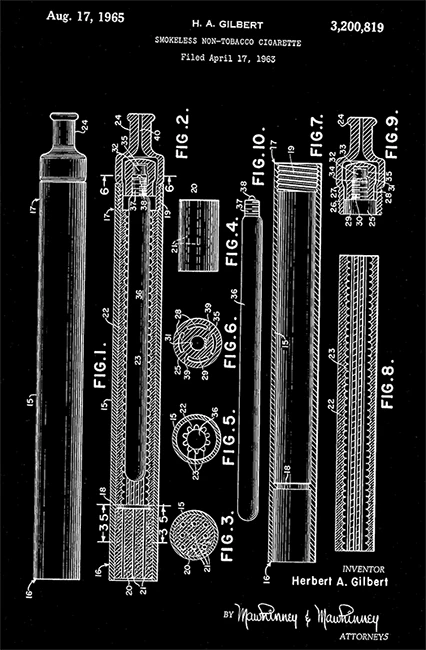
In 1963, against a backdrop of widespread tobacco use, Herbert A. Gilbert made a landmark step in the history of vaping. He filed a patent for an electronic smoking device, a true forerunner to today’s e-cigarettes. Gilbert’s device, which replaced burning tobacco with heated, moist, flavoured air, was a revolutionary idea. However, the social and cultural dominance of traditional smoking at the time overshadowed his invention, leading to its commercial dormancy. Gilbert’s work, nonetheless, was a significant milestone that illustrated the potential for a tobacco-free smoking experience.
1979: Vaping Terminology and Early Commercial Attempts – Phil Ray and Norman Jacobson’s Innovations
In 1979, the term ‘vape’ entered our lexicon, thanks to Phil Ray and Norman Jacobson. Their work, though not entirely electronic, was crucial in the journey towards the vaping products we know today. They focused on creating a device that relied on the evaporation of nicotine and were among the first to conduct formal research in this field. While their product reached major retailers, it fell short as an effective nicotine delivery system. Despite its shortcomings, their efforts were vital in paving the way for future developments in vaping technology.
1990s: A Decade of Prolific Inventions and Patents
Throughout the 1990s, there was a surge in patents for devices akin to modern e-cigarettes. This decade saw significant activity from both tobacco companies and individual inventors, each contributing to the evolving landscape of vaping technology. Notably, products like Reynolds’ Eclipse and Philip Morris’s Accord, while not pure e-cigarettes, began to blur the lines between traditional cigarettes and vaping devices. The 1990s set the stage for the imminent arrival of true vaping products, though it would take a few more years for these ideas to materialise into commercially viable products.
2003: The Birth of the Modern E-Cigarette – Hon Lik’s Groundbreaking Contribution
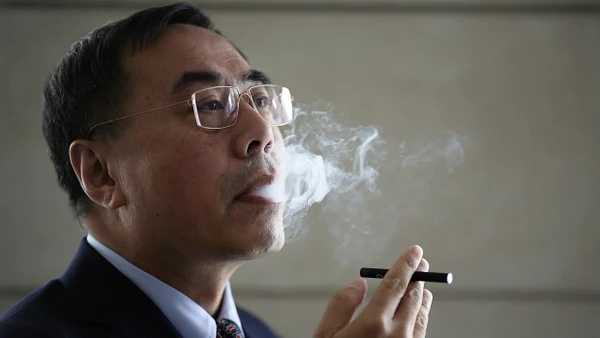
The year 2003 marked a revolutionary turning point in vaping history. Hon Lik, a Chinese pharmacist, motivated by his father’s death from lung cancer and his own struggles with smoking, invented the first successful modern e-cigarette. His device used a lithium battery to atomise a solution of propylene glycol and vegetable glycerine, creating a smoke-like vapour without the harmful effects of burning tobacco. This invention was not just a technological breakthrough; it was a conceptual leap that redefined what smoking could be. Lik’s e-cigarette was the first to successfully mimic the act of smoking, offering smokers a less harmful alternative. His invention rapidly gained popularity in China and set the groundwork for the global vaping phenomenon.
2006-2008: Vaping Gains Global Momentum – The Entry into European,American and Australian Markets
The period between 2006 and 2008 was pivotal for the vaping industry. Lik’s e-cigarettes began to penetrate European,American and Australian markets, introducing a novel concept to a wider audience. Despite facing regulatory hurdles and skepticism from health authorities, vaping started to gain traction. This era was characterised by a growing public interest in smoking alternatives and the beginning of a cultural shift towards vaping. The introduction of these products in the West marked the start of a new chapter in the history of smoking and nicotine consumption.
Technological Advancements and Market Growth
The Evolution of Vaping Technology Post-2003
The years following Hon Lik’s invention were marked by rapid technological advancements in the vaping industry. These developments were not just in the mechanics of vaping devices but also in the variety and quality of e-liquids. Innovations such as variable voltage and temperature control allowed users to customise their vaping experience. The market also saw the introduction of pod systems, which offered a more compact and convenient form of vaping. These technological strides significantly enhanced the appeal of vaping, making it accessible to a broader audience.
Vaping Culture and its Expansion into Mainstream Markets
As vaping technology improved, so did its cultural presence. Vaping began to emerge as a lifestyle, with dedicated online forums, vape shops, and even vaping conventions. This period saw vaping transitioning from a niche hobby to a mainstream practice. The rise of vaping culture also played a crucial role in shaping public opinion about vaping, with advocates highlighting its potential as a harm reduction tool compared to traditional smoking.
Regulatory Challenges and Public Health Debates
With the growing popularity of vaping came increased scrutiny from regulatory bodies. Different countries adopted varying stances on vaping, with some seeing it as a beneficial smoking cessation tool, while others focused on potential health risks. The FDA, WHO, and other health organisations began to take a more active role in regulating and studying vaping products. These regulatory challenges significantly impacted the industry, shaping both the development and marketing of vaping products.
Current Trends and Future Directions in Vaping
In recent years, the vaping industry has continued to evolve, adapting to both regulatory changes and consumer preferences. The focus has shifted towards developing safer and more efficient devices, as well as exploring alternative substances to nicotine. The future of vaping seems geared towards further technological innovation, with ongoing research into the long-term effects of vaping on health.
Learn how to vape on: how to vape